


Using historical averages, it estimates that 5% of those, or 500 vacuums will be returned under warranty per year. Vacuum Inc. should record a debit to warranty expense for $250,000 and a credit to a warranty liability account for $250,000. If the potential for a negative outcome from the lawsuit is reasonably possible but not probable, the company should disclose the information in the footnotes to its financial statement. The footnote disclosure should include the nature of the lawsuit, the timing of when it expects a settlement decision, and the potential amount– either the range or the exact amount if it is identifiable. If the likelihood of a negative lawsuit outcome is remote, the company does not need to disclose anything in the footnotes. Contingent liabilities are a type of liability that may be owed in the future as the result of a potential event.
Deloitte comment letter on tentative agenda decision on negative low emission vehicle credits

EXAMPLE Rey Co constructed an oil platform in the sea on 1 January 20X8 at a cost of $150m. As part of obtaining permission to construct the platform, Rey Co has a legal obligation to remove the asset at the end of its 25-year useful life. EXAMPLE – expected value Rey Co gives a year’s warranty with all goods sold during the year. Rey Co’s manufacturing manager has calculated that if minor repairs were needed on all goods, it would cost $100,000 and major repairs on all goods would cost $1m. (b) Past event The obligation needs to have arisen from a past event, rather than simply something which may or may not arise in the future.

Contingent Liability Explained
Contingent liabilities can be a tricky concept for a company’s management, as well as for investors. Judicious use of a wide variety of techniques for the valuation of liabilities and risk weighting may be required in large companies with multiple lines of business. As a general guideline, the impact of contingent liabilities on cash flow should be incorporated in a financial model if the probability of the contingent liability turning into an actual liability is greater than 50%. In some cases, an analyst might show two scenarios in a financial model, one which incorporates the cash flow impact of contingent liabilities and another which does not. A contingent liability that is expected to be settled in the near future is more likely to impact a company’s share price than one that is not expected to be settled for several years.
What is a Contingent Liability?
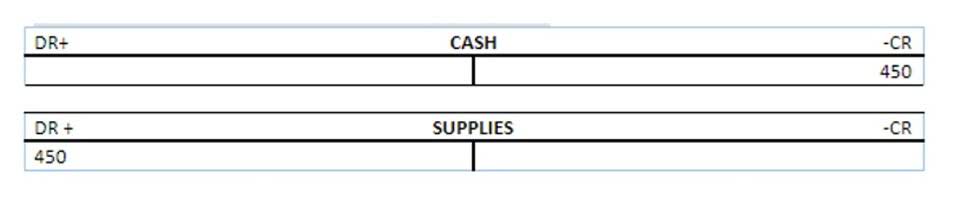
Estimation of contingent liabilities is another vague application of accounting standards. Under GAAP, the listed amount must be “fair and reasonable” to avoid misleading investors, lenders, or regulators. Estimating the costs of litigation or any liabilities resulting from legal action contingent liabilities meaning should be carefully noted. A “medium probability” contingency is one that satisfies either, but not both, of the parameters of a high probability contingency. These liabilities must be disclosed in the footnotes of the financial statements if either of the two criteria is true.
Which of these is most important for your financial advisor to have?
The materiality principle states that all important financial information and matters need to be disclosed in the financial statements. An item is considered material if the knowledge of it could change the economic decision of users of the company’s financial statements. They are generally not recognized as financial assets or liabilities on the balance sheet before the conditions are met. Some common examples of contingent liabilities are pending lawsuits and product warranties because each scenario is characterized by uncertainty, yet still poses a credible threat.
The Full Disclosure Principle
If the expected settlement date is within the upcoming year, the liability would be classified under the short-term liability section of the balance sheet. It does not make any sense to immediately realize a contingent liability – immediate realization signifies the financial obligation has occurred with certainty. Contingent liabilities should be analyzed with a serious and skeptical eye, since, depending on the specific situation, they can sometimes https://www.bookstime.com/ cost a company several millions of dollars. Sometimes contingent liabilities can arise suddenly and be completely unforeseen. The $4.3 billion liability for Volkswagen related to its 2015 emissions scandal is one such contingent liability example. According to the full disclosure principle, all significant, relevant facts related to the financial performance and fundamentals of a company should be disclosed in the financial statements.
Incorporating Contingent Liabilities in a Financial Model
The legal advisors believe that there is an 80% chance that the counter claim against the manufacturer is likely to succeed and believe that Rey Co would win $8m. It can be seen here that Rey Co could only recognise an asset from a potential inflow if the realisation of income is virtually certain. It is not uncommon for candidates to incorrectly take the $12m, thinking that the worst-case scenario should be provided for.
- Liabilities are called ‘contingent’ in the sense that they are by nature only potential and not actual liabilities.
- It would not be disclosed in a footnote, however, if both conditions are not met.
- A contingent liability is an amount that you may have an obligation in the future depending on certain events.
- Contingent liabilities should be analyzed with a serious and skeptical eye, since, depending on the specific situation, they can sometimes cost a company several millions of dollars.
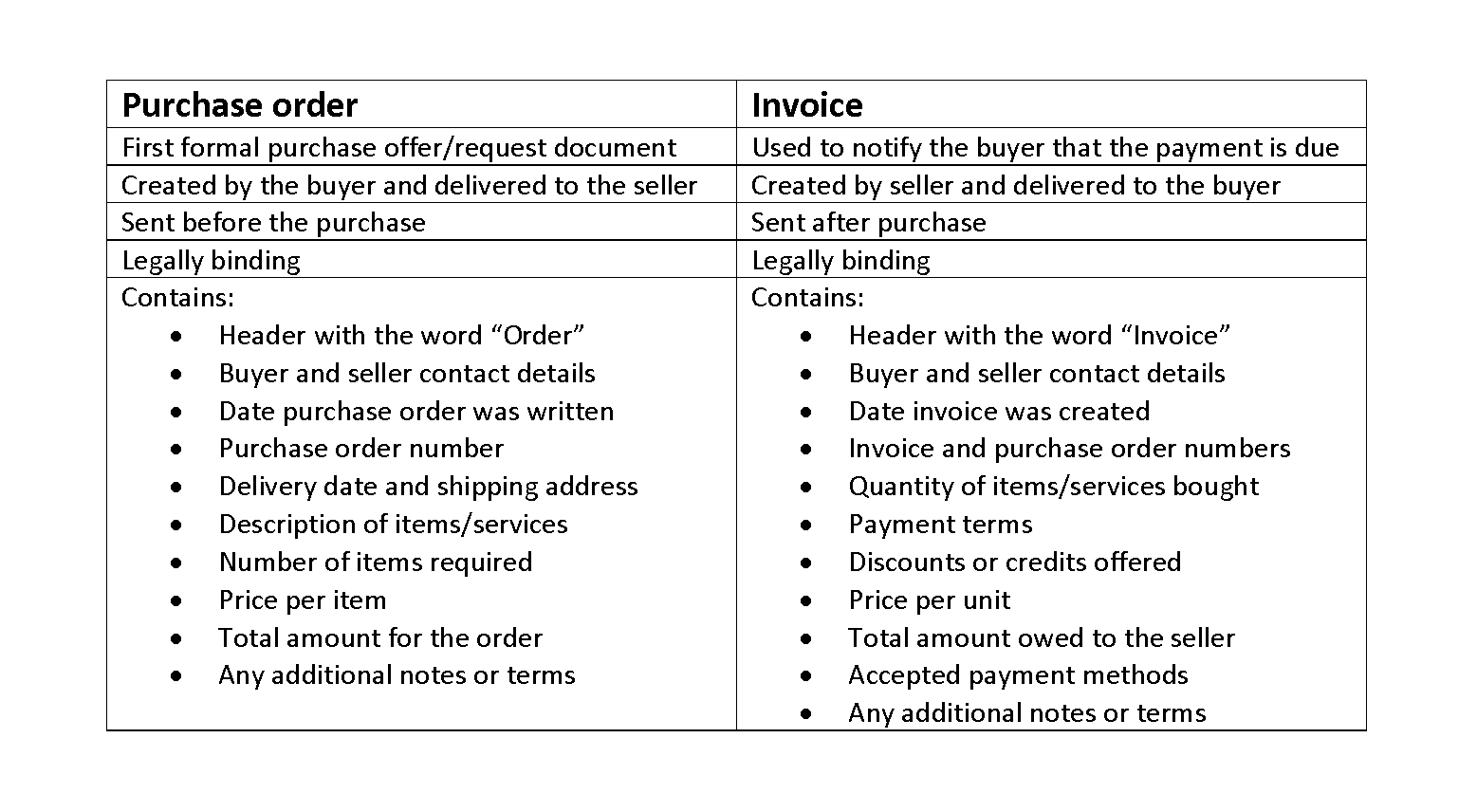
Disclosures and Reporting
- This narrative gives context to the numbers and helps users of the financial statements to understand the potential magnitude and timing of the liabilities.
- This liability affects the income-earning capacity and valuation of assets in various ways.
- Because a contingent liability has the ability to negatively impact a company’s net assets and future profitability, it should be disclosed to financial statement users if it is likely to occur.
- There are a few different rules when a contingent liability is reported as a liability on the balance sheet, disclosed in the footnotes, or simply ignored.
- Contingent liabilities disclosure requirements are a crucial aspect in order to ensure transparency and accountability.
- This probability threshold is typically interpreted as meaning the future event is more likely than not to occur.